
By Salami Abdulrahamam | Abuja
The Civil Society Legislative Advocacy Centre (CISLAC), Oxfam in Nigeria and other stakeholders on Tuesday, August 18, 2026, called for stronger participation of women in decision-making, governance and benefit-sharing within Nigeria’s extractive sector, urging government institutions, regulators, companies and host communities to adopt gender responsive mechanisms that will give women greater influence over the management of Petroleum Industry Act (PIA) Host Community Development Trust (HCDT) resources.
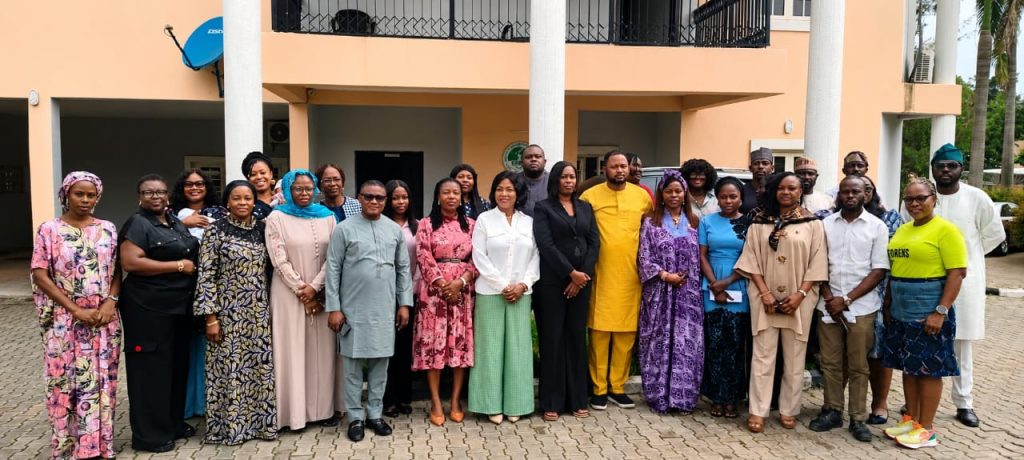
The call was made at a Stakeholder Engagement and Validation Workshop on Protecting the Rights of Women in Extractives, held at the CISLAC Conference Hall, Garki 2, Abuja.
The workshop, themed “Strengthening Gender-Responsive Governance, Transparency and Accountability in the Implementation of the Petroleum Industry Act (PIA) Host Community Development Trust (HCDT) Framework, brought together government representatives, regulatory institutions, civil society organisations, women’s rights groups, development partners, extractive companies, host community representatives, academics and the media.
In his welcome address, CISLAC Executive Director and Head of Transparency International Nigeria, Comrade Auwal Musa Rafsanjani, said the effective implementation of the PIA and HCDT framework must go beyond treating women as beneficiaries of development projects to ensuring that they actively participate in decisions affecting their communities.
Rafsanjani identified weak accountability mechanisms, limited transparency in HCDT resource management, inadequate community participation, corruption risks and insufficient representation of women in governance structures as major challenges requiring urgent attention.
He said women in extractive host communities often bear significant environmental, social and economic consequences of extraction activities, yet remain underrepresented in community governance and benefit-sharing processes.
He called for women to have meaningful roles in setting development priorities, budgeting, procurement, project implementation, monitoring, evaluation, grievance redress and oversight of HCDT resources.
Women are not merely beneficiaries of HCDT projects. They are active members of their communities, contributors to local economies, caregivers, entrepreneurs, leaders, and important stakeholders in community development,” Rafsanjani said.
Also speaking, Ayo Omowu, Head of Tax Justice, Fiscal Governance and Environmental Conservation of Nature at CISLAC, described women’s inclusion in the extractive sector as paramount, stressing that women play critical roles in communities where extractive activities take place.
He said CISLAC’s partnership with Oxfam in Nigeria, with support from the Hewlett Foundation, was aimed at promoting greater accountability, transparency and inclusion across the sector.
The lead researcher of the study, Dr. Botti Isaac, Director of Programmes at Social Action Nigeria, said the research was driven by the need to mainstream women’s roles into Nigeria’s development agenda, particularly in communities hosting extractive activities.
Isaac said the study examined women’s participation in decision-making and development initiatives in host communities, noting that the impact of oil extraction on women made their inclusion in resource management and community development decisions essential.
Representing the Country Director of Oxfam in Nigeria, Programme Officer Precious Igboanugo said gender issues in the extractive sector were not neutral, as women often suffer significant consequences from loss of livelihoods and exclusion from decision-making.
She said women’s voices and contributions remained largely invisible despite their important roles in their communities, stressing the need for deliberate measures to address their exclusion.
The workshop also featured the presentation and validation of two studies under the “Protecting the Rights of Women in Extractives” project, focusing on gender-responsive policy, governance, accountability, corruption risks, transparency and women’s inclusion within the PIA/HCDT framework.
Stakeholders emphasised the need for gender-responsive governance to cover budgeting, procurement, monitoring, grievance mechanisms and oversight of HCDT resources.
Rafsanjani urged stakeholders to ensure that the findings of the research translate into practical reforms and institutional commitments, stressing that research reports must not remain on shelves but should influence policies, improve institutional practices, empower citizens and strengthen accountability.
He called on government agencies, regulatory institutions, extractive companies, civil society organisations, development partners, traditional institutions, women’s organisations and host communities to work together to strengthen transparency and accountability in HCDT resource management.
The stakeholders ultimately resolved that sustained institutional action and stronger collaboration were necessary to ensure that the implementation of the PIA and HCDT framework delivers fair, transparent and sustainable development benefits to women and other members of Nigeria’s extractive host communities.
