
By Salami Abdulrahamam | Abuja
Stakeholders in Nigeria’s energy and natural resources sector have called for strengthened collaboration, transparency, accountability, and increased investment to accelerate the country’s transition toward a sustainable and diversified energy future.
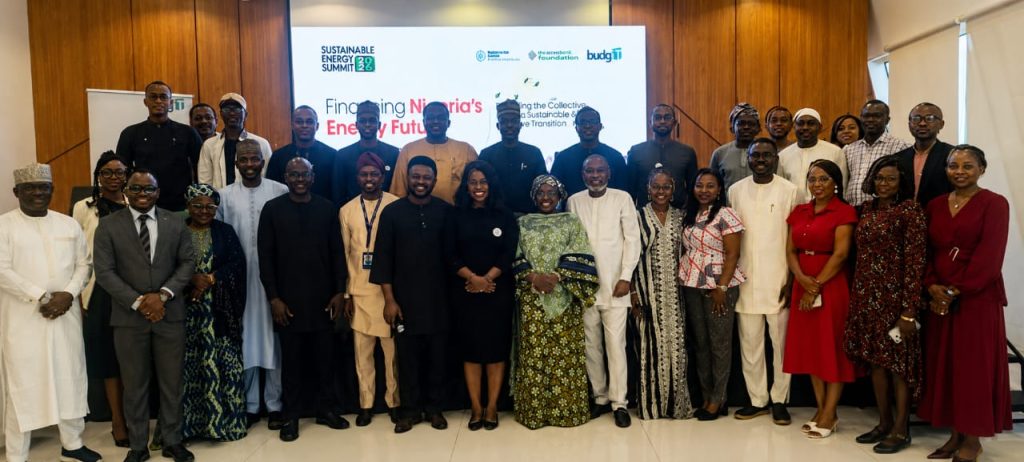
The call was made at the Sustainable Energy Summit 2026 in Abuja, organised by the BudgIT Foundation in collaboration with the Natural Resource Governance Institute (NRGI), Resource Justice Network (RJN) and other partners.
Themed “Financing Nigeria’s Energy Future: Closing the Gap Between Policy Commitment and Public Investment,” the summit convened government officials, civil society organisations, development partners, private sector representatives, and youth stakeholders to explore pathways for translating policy commitments into tangible investments and development outcomes.
In his welcome address, Valyala Kwaga, Country Director of BudgIT Foundation, said Nigeria stands at a critical juncture in its energy development, noting that decisions taken today will have far-reaching implications for the country’s economic and environmental future.
Kwaga noted that BudgIT’s work focuses on promoting transparency in extractive resource management and supporting Nigeria’s transition from resource dependency toward clean energy adoption and economic diversification.
He added that BudgIT has simplified and visualised 10 years of NEITI reports and engaged key government institutions to strengthen accountability mechanisms.
Citing global trends, Kwaga said the growing momentum for clean energy underscores the need for Nigeria to position itself strategically to attract investment and maximise emerging opportunities.
He noted that the challenges facing Nigeria’s energy sector cannot be resolved through a single summit, stressing that sustained dialogue and collaboration are essential for meaningful progress.
Also speaking, Tengi George-Ikoli, Nigeria Country Manager at NRGI, said Nigeria must strengthen governance and accountability frameworks to ensure that the energy transition delivers broad-based benefits to citizens.
She emphasised the importance of inclusive policymaking and greater participation of young people in shaping Nigeria’s energy future.
George-Ikoli added that open, collaborative, and accountable governance is essential for developing effective and inclusive climate policies and action plans.
Prof. Helen Bodunde, National Secretary of RJN Nigeria, highlighted the country’s significant energy financing gap, noting that the Energy Transition Plan requires approximately $1.9 trillion by 2060, while the power sector currently attracts only about $1 billion annually, against an estimated requirement of $10 billion to $12 billion.
She said this financing deficit has contributed to persistent challenges in the power sector, including more than 100 grid collapses over the past decade.
Bodunde also noted that while Nigeria receives about $2.5 billion annually in climate finance, the country requires an estimated $29.7 billion annually to meet its climate and energy obligations.
She, however, pointed to the reported 183 per cent oversubscription of Nigeria’s Sovereign Green Bond Series III as evidence that investors are willing to commit capital when governance is credible and projects are bankable.
She urged the government to channel savings from fuel subsidy removal into clean energy investments capable of reducing energy poverty and supporting sustainable economic growth.
Bodunde also called for the scaling up of blended finance, public-private partnerships, and climate-aligned financial instruments, while urging stakeholders to ensure equitable access to energy and invest in the human capital required to support Nigeria’s clean energy transition.
Speaking on the need to bridge the gap between policy commitments and actual investment, Enèbi Opaluwa of BudgIT’s Natural Resource and Climate Governance Programme, said Nigeria must move beyond intentions and ensure that public budgets reflect the country’s climate and energy priorities.
Opaluwa said BudgIT’s analysis of climate-related budgets from 2022 to 2026 was aimed at examining how government resources are allocated to mitigation, adaptation, climate finance, and other areas of the energy transition.
He stressed that the budget remains a critical indicator of government priorities, noting that policy commitments must be matched with adequate financial resources to produce meaningful results.
According to him, effective implementation requires stronger coordination among government institutions, civil society organisations, development partners, and other stakeholders, as well as improved mechanisms for tracking whether allocated funds are achieving their intended objectives.
Opaluwa called for greater transparency and accountability in public spending, urging stakeholders to ensure that resources are directed to areas where they can have the greatest impact on Nigeria’s energy transition and climate objectives.
Participants observed that despite existing policies and frameworks, a significant gap remains between Nigeria’s energy commitments, implementation, and financing.
They therefore called for stronger coordination among government, civil society organisations, development partners, and private sector actors, alongside increased investment in clean energy and power infrastructure.
They also advocated greater transparency in the management of public resources and extractive revenues, enhanced youth participation in energy governance, and improved access to reliable data for evidence-based advocacy.
Representatives at the summit included officials from the Ministry of Petroleum Resources, Nigerian National Petroleum Company Limited (NNPCL), Nigerian Midstream and Downstream Petroleum Regulatory Authority (NMDPRA), National Agency for Science and Engineering Infrastructure (NASENI), Central Bank of Nigeria (CBN), Nigerian Electricity Regulatory Commission (NERC), Fiscal Responsibility Commission, Rural Electrification Agency, and youth-focused platforms.
Kwaga said BudgIT and its partners will continue to advance inclusive dialogue and evidence-based advocacy.
The organisers expressed optimism that sustained collaboration will help Nigeria bridge the gap between policy commitments and the investments required to achieve a more sustainable, inclusive, and resilient energy future.
