
Stakeholders Validate Research on CSOs’ Contribution to Transparency, Accountability in Tax Administration
The Civil Society Legislative Advocacy Centre (CISLAC) has convened a research validation meeting aimed at strengthening the role of Civil Society Organisations (CSOs) in promoting fairness, transparency, and accountability within Nigeria’s tax administration system.
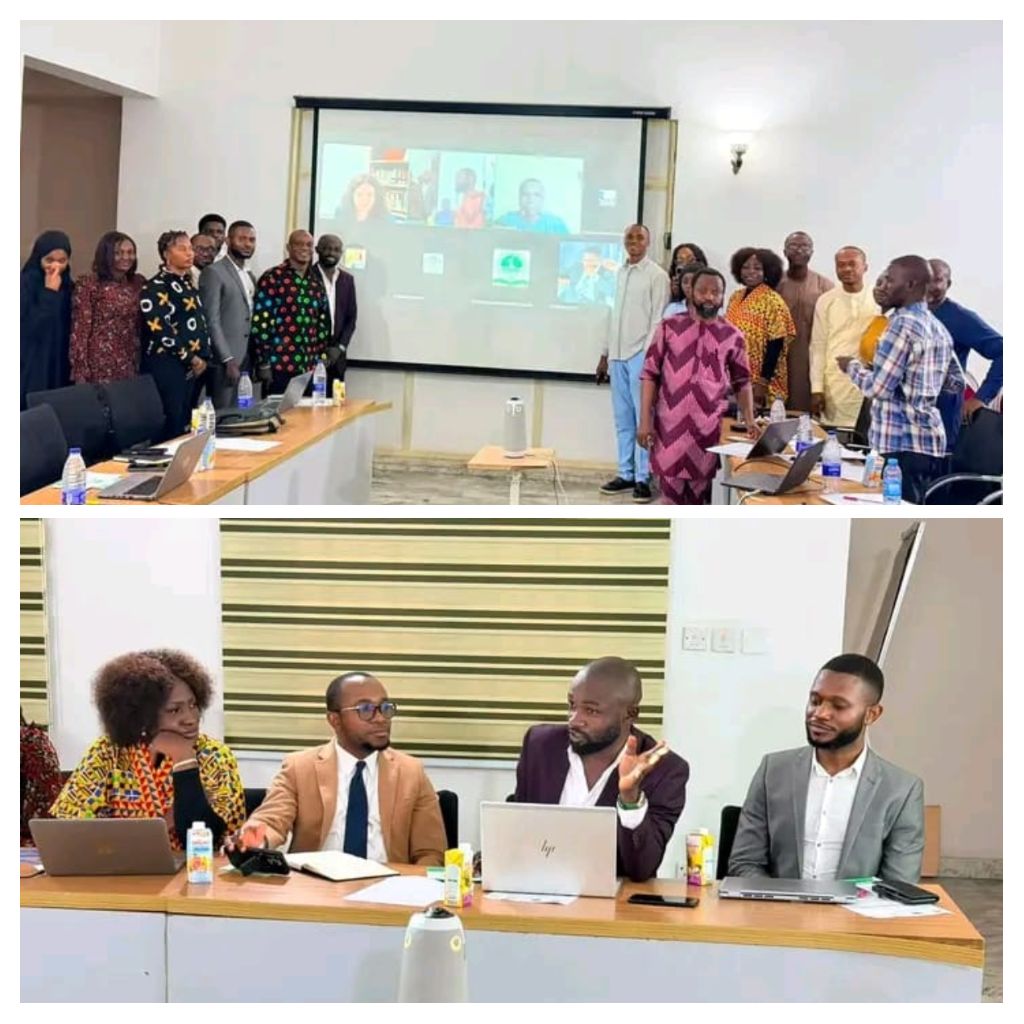
The one day meeting, held at the CISLAC office in Abuja, brought together representatives from civil society groups, development organisations, academia, policy experts, and other stakeholders to review research findings on how CSOs have contributed to domestic tax reforms and improved public finance management.
Speaking during the meeting, Dr. Edidiong Bassey, Assistant Professor at Cardiff University, said the validation exercise was designed to critically examine the research outcomes, gather stakeholders’ views, and ensure that the final recommendations reflect practical realities and support evidence-based reforms.
Dr. Bassey highlighted the important role civil society plays in advocating for tax justice, encouraging transparency, and demanding accountability in the management of public resources.
He stressed that stronger collaboration among government institutions, civil society organisations, academic institutions, and development partners is necessary to build a tax administration system that is fair, efficient, and inclusive.
Presenting the research findings, Dr. Jacob Iormbagah, the research consultant, identified the achievements, challenges, and opportunities associated with CSO engagement in Nigeria’s domestic tax administration.
He called for improved cooperation among stakeholders, increased citizen participation, and greater transparency to boost public confidence in the country’s tax system.
Also speaking, Mr. Chinedu Bassey, Advocacy and Political Engagement Consultant at the Global Initiative for Economic, Social and Cultural Rights (GI-ESCR), emphasised the need for continuous advocacy and evidence-based engagement to promote equitable tax policies.
Mr. Bassey noted that citizens are more likely to fulfil their tax obligations when governments demonstrate accountability by converting tax revenues into quality public services.
He advocated for a stronger tax-to-service agreement between citizens and government, describing it as a key factor in improving tax compliance, strengthening public trust, and promoting sustainable development.
Participants at the meeting reviewed the research findings and provided recommendations focused on enhancing accountability, improving tax compliance, and creating a more transparent and inclusive tax administration framework in Nigeria.
The validation meeting reaffirmed the commitment of CISLAC, Cardiff University, GI-ESCR, and other partners to supporting evidence-based reforms and collective efforts towards building a tax system that promotes fairness, accountability, and sustainable domestic revenue mobilisation for national development.
