
By Salami Abdulrahaman | Abuja
ABUJA — Stakeholders from the legal profession, civil society, labour movement and other sectors have called for stronger electoral reforms, institutional accountability and greater citizen participation as Nigeria prepares for the 2027 general elections.
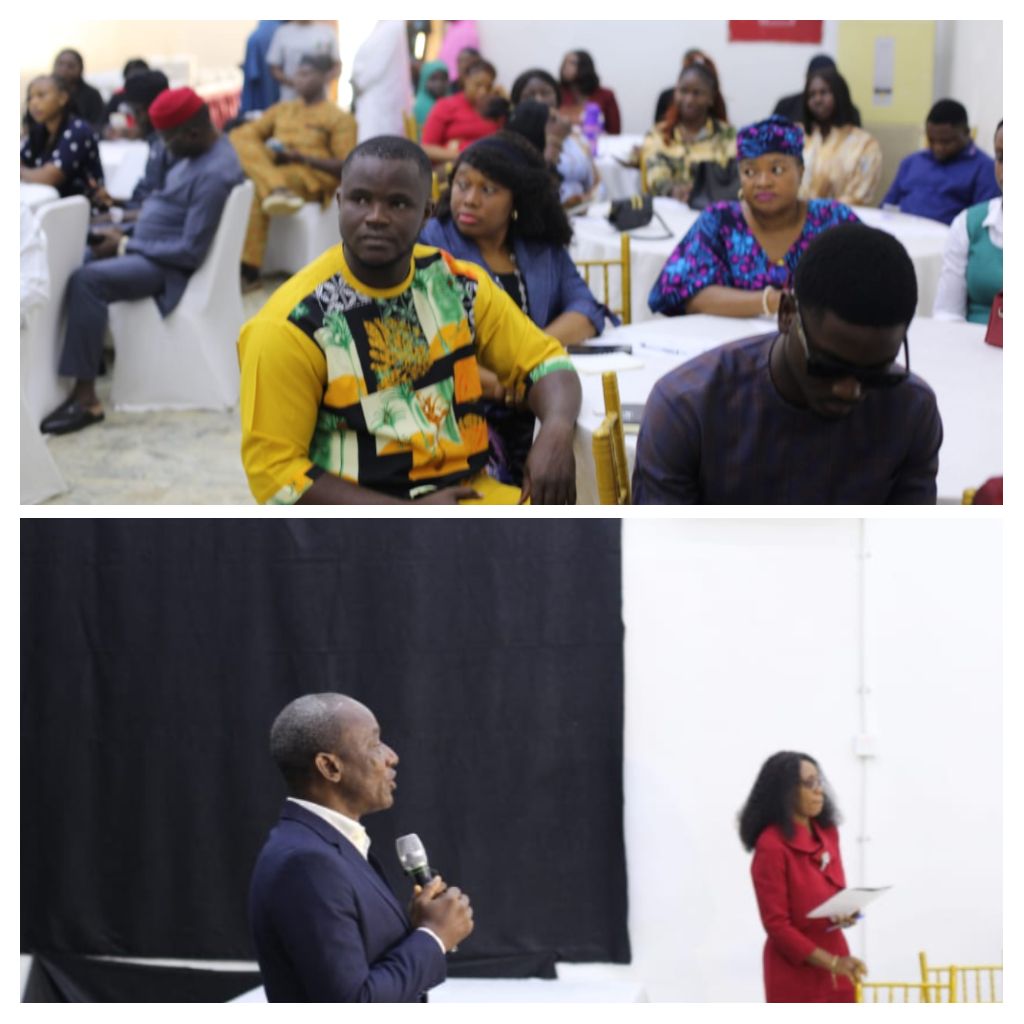
The call was made at a citizens’ public hearing organised by the Abuja School of Social and Political Thought and the 2027 Election Strategy Group to review the 2023 general elections and develop recommendations for credible, transparent and peaceful polls in 2027.
The Director of the Abuja School of Social and Political Thought, Dr. Sam Amadi, said the initiative was designed to critically examine the challenges experienced during the 2023 elections and identify practical solutions for future polls.
According to him, Nigerians need a clear and comprehensive account of what happened during the 2023 elections, including concerns surrounding the Bimodal Voter Accreditation System (BVAS) and other aspects of the electoral process.
“We want a clear and properly audited account of what truly happened during the 2023 elections,” Amadi said.
He explained that the public hearing would provide an opportunity for citizens, including rural women, persons with disabilities, victims of election-related violence and other groups whose voices are often overlooked, to share their experiences.
“Public policy is not the exclusive preserve of scholars or political elites. We must have a conversation with everybody,” he said.
Amadi stressed that the Abuja School was committed to strengthening the integrity of the electoral process rather than supporting any particular political outcome.
He said the initiative would develop a roadmap focused on strengthening engagement with the Independent National Electoral Commission (INEC), improving the capacity of political parties to protect votes and empowering citizens to safeguard the electoral process.
Country Director of ActionAid Nigeria, Dr. Andrew Mamedu, said rebuilding citizens’ trust in the electoral system was essential to strengthening Nigeria’s democracy.
“Election is not just the day you come and cast your vote. Election starts from the day the last election result is announced,” Mamedu said.
He expressed concern over low voter participation in the last general election, noting that about 27 per cent of registered voters participated.
Mamedu said the low turnout raised important questions about citizens’ confidence in the electoral system and called on stakeholders to learn from previous elections and develop practical strategies to restore public trust.
Speaking on behalf of the Nigerian Bar Association (NBA), the association’s General Secretary, Afam O. Okeke, Esq., stressed that democracy could not be sustained merely by conducting elections.
He called for an honest examination of electoral processes, stronger institutions, meaningful citizen participation and evidence-based reforms.
The NBA also emphasised that elections are constitutional processes governed by law and that legal practitioners have a responsibility to contribute to electoral reform and the strengthening of democratic institutions.
Also speaking, Comrade Professor Theophilus Ndubuaku of the Political Commission of the Nigeria Labour Congress (NLC) said the 2023 general elections exposed critical structural, technological and administrative weaknesses in Nigeria’s electoral system.
He said electoral integrity was directly linked to accountable governance and socio-economic justice, particularly for Nigerian workers.
The NLC called for mandatory and legally binding real-time electronic transmission of election results, greater institutional and operational independence for INEC, and stricter punishment for electoral offenders.
Ndubuaku also called for stronger protection of voters against intimidation, violence and disenfranchisement.
He said the NLC would continue to mobilise workers and other citizens to participate actively in the electoral process and defend democratic integrity.
The stakeholders agreed that preparations for the 2027 general elections must begin early and involve sustained engagement among government institutions, political parties, civil society organisations, the media, security agencies and citizens.
They maintained that electoral reforms should not be delayed until the eve of another election, stressing the need for practical measures to restore public confidence and ensure that every vote counts.
The public hearing brought together political parties, civil society organisations, legal practitioners, labour leaders, experts and other stakeholders to contribute to a strategic action plan for electoral reform and democratic governance in Nigeria.
